
Flu vaccine
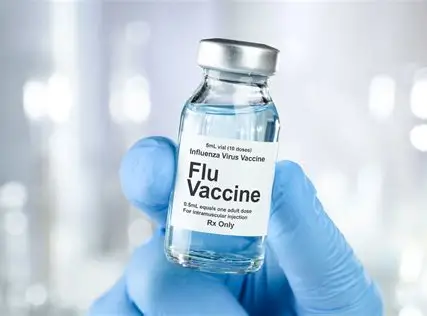
Flu vaccine
Who should have the flu vaccine
The vaccine is recommended for people at higher risk of getting seriously ill from flu.
From 1 September 2026, the following groups are eligible. Where ‘clinical risk groups’ are mentioned, these are defined in the Green Book, Influenza Chapter:
pregnant women
all children aged 2 or 3 years on 31 August 2026
primary school and secondary school-aged children, from reception to year 11
young people aged 17 and over attending a special educational needs (SEN) school who are also in a clinical risk group
all children in clinical risk groups, from 6 months to less than 18 years
From 1 October 2026, the following groups become eligible:
everyone aged 65 years and over
all adults in clinical risk groups, from age 18 to under 65
residents of long-stay residential care homes
carers in receipt of carer's allowance, or those who are the main carer of an elderly or disabled person
close contacts of people who are immunocompromised
rough sleepers and those using homeless hostels or night shelters aged 16 years and over
frontline social care workers without access to an employer-led occupational health scheme, including those working in:
registered residential care or nursing homes
domiciliary care
voluntary managed hospices
personal assistants employed through direct payments or personal health budgets
Who cannot have the flu vaccine
Most people who are eligible for the vaccine can have it.
You only cannot have the vaccine if you’ve had a serious allergic reaction (anaphylaxis) to a previous dose of the vaccine or an ingredient in the vaccine.
Some of the flu vaccines used in the UK contain egg protein. Tell the person vaccinating you if you have an egg allergy.


Side effects of the flu vaccine
The most common side effects of the flu vaccine are mild and get better within 1 to 2 days.
They can include:
pain or soreness where the injection was given
a slightly raised temperature
an aching body
More serious side effects such as a severe allergic reaction (anaphylaxis) are very rare. The person who vaccinates you will be trained to deal with allergic reactions and treat them immediately.
The injected flu vaccines used in the UK do not contain live flu viruses. They cannot give you flu.
How well the flu vaccine works and how long it lasts
The vaccine aims to protect you against the most common types of flu viruses.
There’s still a chance you might get flu after getting vaccinated, but it’s likely to be milder and not last as long.
The vaccine usually takes up to 14 days to work.
Protection from the vaccine goes down with time and the types of flu virus the vaccine protects against are updated each year. This is why it’s important to get the flu vaccine every year.
We provide a comprehensive range of travel vaccinations and antimalarials. It is recommended that you book your appointment 6-8 weeks prior to your travel to ensure that you can get the recommended vaccinations on time.